

This episode includes a short reflection on childhood anxiety around Christmas presents.
Put the kettle on. Find the project bag, make a little space on the sofa and check whether the cat has already claimed it.
It’s the first of November, which means my Christmas movie-a-day is back.
Hello and welcome to The Christmas Lace Notes. I’m Liz, otherwise known as the Lace Bee, and today we’re opening the 2026 film season with A Castle for Christmas.
There will be knitting. There will be a castle. Somewhere in the middle of all this, I'll probably decide another row is entirely possible before bedtime.
If you joined our opening episode, you’ll have met my Christmas coterie, the AI companions helping me explore familiar subjects from different perspectives. Rudolph has a particular interest in our festive viewing. I’m still the one watching, taking notes, and deciding what I think.
If you're here for the first time, welcome. You need no qualifications beyond an interest in Christmas films, a willingness to tolerate a little seasonal nonsense and perhaps something comfortable to sit on.
I’ve always been a birthday person
Before we get to the castle, I want to explain why this little film tradition matters. The answer starts somewhere you might not expect: birthdays.
I love birthdays. They’re your day, a chance to spend time with people you love and do something that feels like a treat. Mine have often been about those moments together rather than anything particularly grand.
We had parties when I was little, up to about seven or eight. After that, birthdays weren’t celebrated in a big way. But my seventeenth stands out very clearly.
A small group of friends from school came over, and we all dressed up as little children. We played children’s party games, including pass the parcel. My sister, who is ten years older than me, was there as the responsible adult.
Imagine being seventeen and deciding that what you really want is the sort of party you had years earlier. It was fun, and it remains one of the birthdays I remember most fondly. The games were familiar, the company mattered and we gave ourselves permission to be a bit silly.
That thread has carried on. The year before last I spent my actual birthday with my sister. Last year Yvonne and I went out for ice cream. This year we had lunch together, which was wonderful.
Those are the things I value: time together, a chance to recharge my batteries and a day that feels like mine. It doesn’t need an elaborate plan to be special.
Stuart, my other half, is a Christmas person. He hates birthdays and loves Christmas. Between us, we approach the calendar from rather different directions.
Learning to enjoy Christmas
For me, Christmas wasn’t always comfortable. As a child, opening presents could make me terribly anxious. If I was given something I didn’t want or didn’t like, I worried about producing exactly the right response.
I would wait until everyone was out working, then sneak around the house before Christmas and carefully unwrap my presents. Once I knew what was inside, I would wrap everything back up so nobody could tell.
Then I could practise. When the day arrived, I would know what was coming and could look suitably pleased. That is quite a lot for a child to be carrying around a parcel.
Looking back, I can see how anxious I was about getting my reactions right. I’m sharing that because it helps explain why a celebration that seems uncomplicated to somebody else can feel very different from the inside.
These days, I want Christmas to contain things I actively enjoy. Having Stuart in my life has been part of learning what that can look like for us. Time together matters much more than putting on a particular performance.
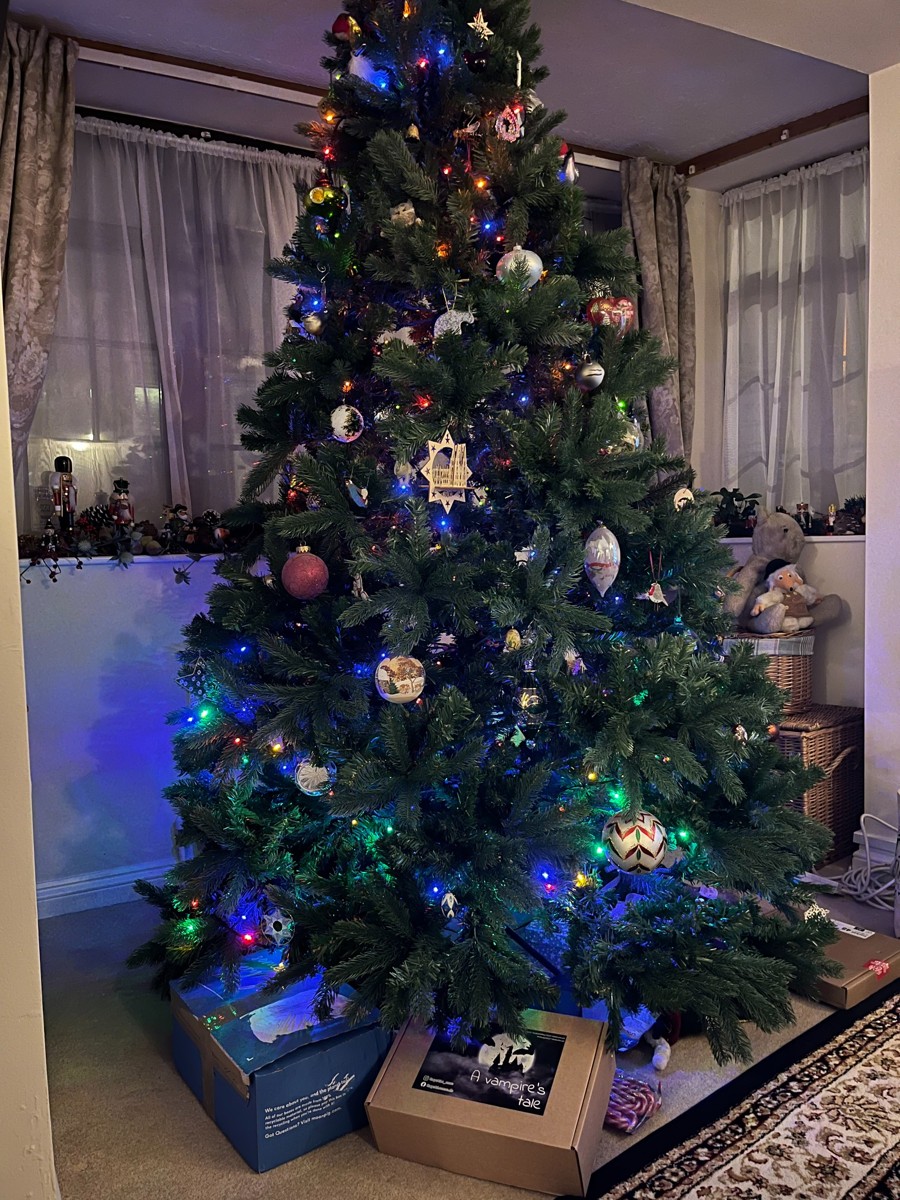
We’ve had a couple of years when we didn’t put a tree up. Since moving into this house, we’ve started doing that again. Our traditions have changed as our lives have changed, and we’re still finding the things that make the season ours.
There is another birthday story that belongs here. My Auntie Chris, Christine, was born on Christmas Day. Her birthday tended to disappear into everything else going on.
One year my grandma organised a proper birthday party for her a couple of days before Christmas. It was the first she’d had. These were ladies in their seventies, having that celebration together, and it was wonderful.
That memory stays with me because somebody made room for her day. A familiar date suddenly held something different: a person being celebrated in her own right.
Perhaps that is part of what I’m doing with my own Christmas now. Making room for the pleasures that suit us, rather than assuming there is one correct way to feel about it.
A seasonal change of viewing
During much of the year, I watch true crime and police procedurals. Then this part of the calendar arrives and my viewing takes a turn towards schmaltzy romance and cosy mysteries.
I think of it as ducking out of ordinary life for a little while. I get to spend an evening somewhere the misunderstandings can be untangled, the friendships matter and there is a reasonable chance that everything will work out.
The surroundings may be impossibly picturesque. Somebody will almost certainly have an excellent coat. I am perfectly happy to accept both of those things.
Originally, I started just a few weeks before Christmas. Over time, the season expanded until 1 November became my starting point. Now I can see how many films I get through while returning to favourites and trying a few unfamiliar titles.
There is no prize for squeezing in the most. This is something I do because it gives me pleasure. A list helps me remember what I watched, but I don’t want it to turn into another deadline.
Knowing that I can settle down with a film gives me something small to anticipate. It might be an evening on the sofa, or familiar company while I’m working at home. Either way, I’m choosing a little part of the season for myself.
That also helps explain why the opening film has become important. It marks a change in pace and says, right, we’re here again. Whatever else November brings, there will be stories, knitting and time to enjoy them.
If Christmas is complicated for you too, I won’t pretend a film fixes that. I can only say that this particular ritual has helped me find things I look forward to. Yours might be completely different.
A birthday lunch, a book bought for the holidays or an evening with somebody whose company you enjoy can all be worth making space for. The scale of the occasion doesn’t have to determine how much it means.
So when I announce the return of Christmas films, there is quite a bit sitting behind that cheerful mug and project bag. I’m making a season I can enjoy, one ordinary evening at a time.
November has entered the chat.
Some people hear “Christmas film” on 1 November and immediately look concerned.
We’ve only just dealt with Halloween. The pumpkins are still looking reasonably respectable. Surely we ought to wait.
I understand the argument. My response is to put the kettle on anyway.
We all find our own way into the season. For me, a film offers a small beginning. The whole house doesn’t need decorating first, and I’m under no obligation to emerge from the kitchen carrying something dusted with icing sugar.
Some evenings are busy. Others are quiet. Having this little ritual gives me something enjoyable to look forward to when the working day is finished.
There’s also an advantage to starting now: room to explore. Returning favourites can sit alongside discoveries, with room for a film that turns out delightfully ridiculous.
I want to keep this something I enjoy. The moment a leisure activity starts resembling an overdue work report, it’s probably time to reconsider the arrangements.
You’re very welcome to follow along daily, occasionally or whenever a particular title appeals. Nobody will be taking a register.
Why a castle comes first
Our first film is A Castle for Christmas, the 2021 romantic comedy starring Brooke Shields and Cary Elwes.
The starting point is straightforward: an American bestselling author travels to Scotland after a scandal and becomes interested in a castle whose owner is a rather grumpy duke.
As an opening, that gives us plenty to work with.
I’m leaving the rest for the film to tell you. This is an invitation to watch, rather than a detailed account of everything that happens.
My connection with it began through yarn, and it’s rather more personal than simply spotting some knitting on screen.
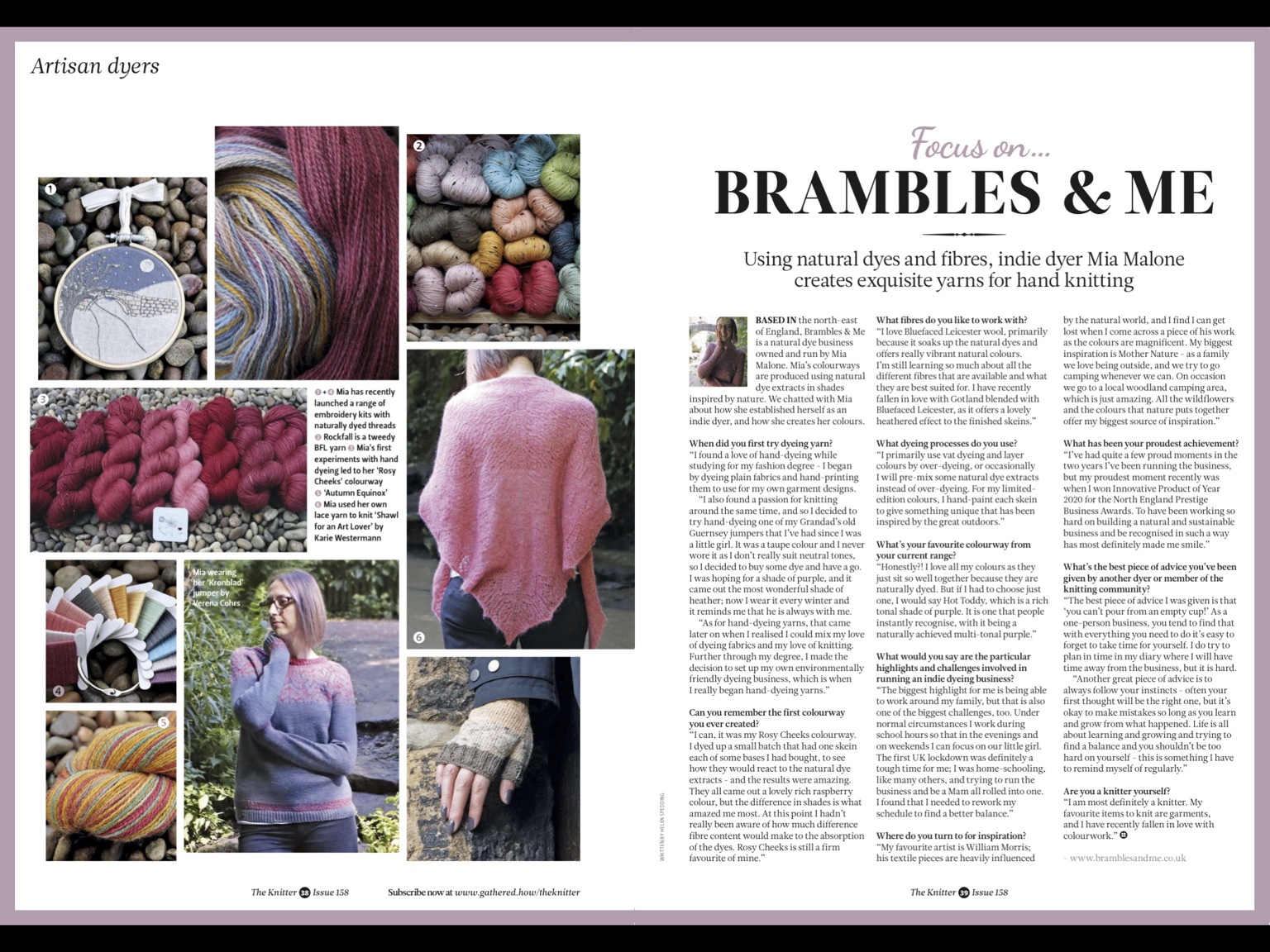
I first met the woman behind Brambles & Me when she was starting her dyeing business. She travelled down to a show in East Anglia to sell her yarn, and I remember chatting with her and her wonderfully witty mother.
Her colours were breathtaking. She worked with natural dyes, creating yarn that made me want to stop, look properly and imagine what it might become.
She dyed yarn used in A Castle for Christmas, while friends of hers made the knitting projects for the film. Later, she decided to step back from her dyeing business to care for a family member and spend that precious time with them.
I found that an extraordinary, caring decision. Having known how much passion she put into her work, I appreciated what it meant to set the business aside.
I used to treat myself to her yarn at shows. When she was closing down, I bought a whole load, knowing that the familiar stall wouldn’t be waiting at the next event.
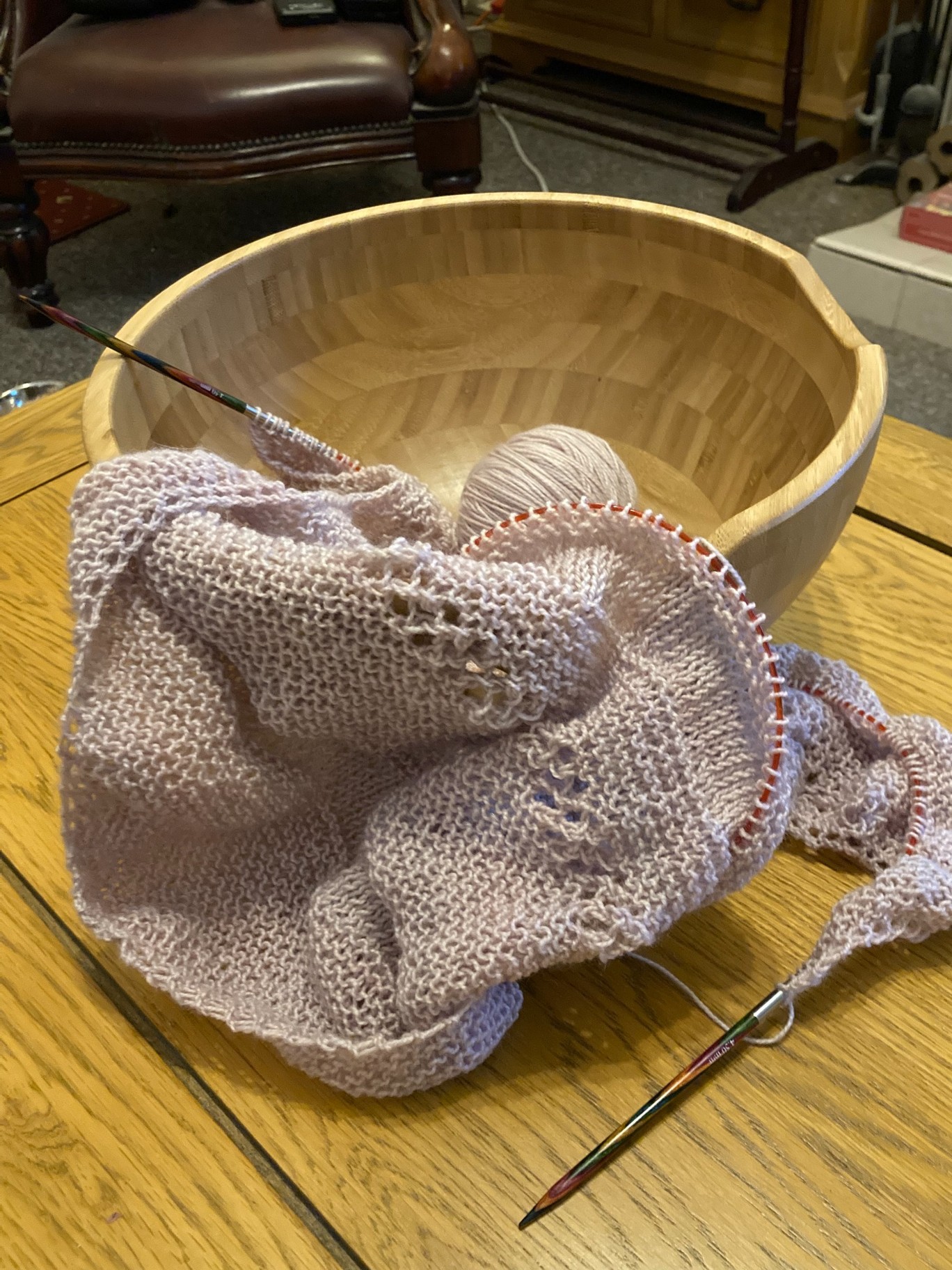
Now I’m carefully eking out those skeins, deciding when to use them. A stash can carry memories as well as possibilities, and this part of mine certainly does.
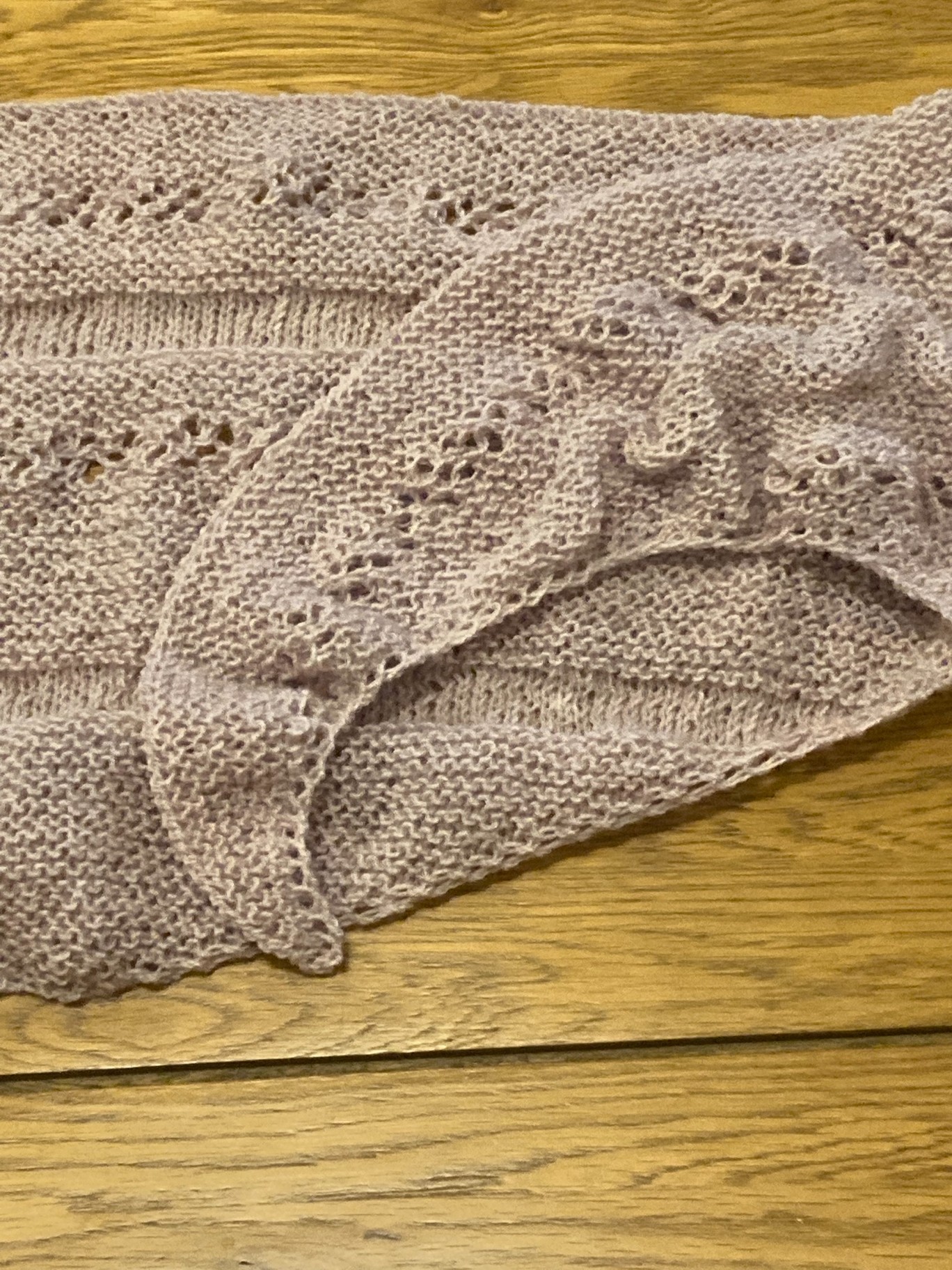
One became a beautiful rose-coloured, one-skein scarf. I’m hoping to share my photograph in the accompanying blog so you can see something of what I mean.
When the knitting appears in the film, I know there’s that connection behind it. I remember our conversations, her mother’s humour and the colours she created.
It gives the story another layer.
Brooke Shields is great in it, and I always enjoy watching Cary Elwes. For me, the film still holds up on a return visit, with that lovely personal association woven through it.
I’ve returned to it every year since 2022. This time we’re giving it the opening slot on 1 November.
It has five yarn balls in my catalogue. My original comment was short and to the point: “worth watching it includes knitting”.
Sometimes a review tells you as much about its author as its subject.
For anyone reading along, I’ve linked the film’s official Netflix page. Listeners can find that same link in the episode notes. Check the viewing options available to you when you’re ready to settle down.
The yarn-ball test
The yarn-ball rating began as my way of describing enjoyment alongside suitability for watching while pursuing a favourite yarn, thread or string activity.
It’s a personal system, which is precisely why I like it.
A film might be beautifully made yet demand more attention than I can spare while following a complicated pattern. Something much simpler may be excellent company for an evening of straightforward knitting.
Different projects require different arrangements.
There’s knitting you can do while holding a conversation, following a story and remembering where you left your tea. Then there’s knitting that requires silence, concentration and possibly a temporary exclusion zone around the sofa.
Lace has its own opinions about divided attention.
I’m unlikely to appreciate a crucial plot revelation if it arrives at the exact moment a mistake shows up several rows below my needles.
That doesn’t make either the project or the film wrong. It simply means they weren’t the most sensible pairing.
For a familiar rewatch, I can relax into both activities. A new story may deserve a little more attention before I decide whether the knitting can join us.
The important question is whether I enjoyed the evening. A rating can help me remember that, without pretending to be an objective verdict for every viewer.
Five yarn balls from me may mean your perfect night in. Equally, you might wonder whether the duke could be persuaded to improve his manners.
Both responses are allowed.
Familiar stories, fresh memories
Returning to a film can bring back the people associated with it.
I’ve written about White Christmas and watching with my grandmother, with proper, rich cocoa beside us. Those memories remain part of what the film means to me.
Often I wish Mum could still be sitting there watching too. Sometimes, with a familiar Christmas movie playing, I feel a little as though she’s with me.
That’s my experience of it: an ordinary evening holding something precious.
My earlier article, Why are Christmas movies so comforting?, explores how familiar viewing can gather new memories alongside older ones. The link is in the blog and episode notes.
Patricia asked a question during our discussion that I’d like to pass on: who do you remember when you put your favourite Christmas film on?
You don’t have to answer publicly. Perhaps somebody comes to mind straight away.
A film may carry a grandparent’s laughter, a parent’s favourite scene or the memory of sharing a sofa. We arrive for the story and find a little company from another time.
A little seasonal improbability
Christmas films can ask a great deal of our willingness to believe.
Some fictional towns seem remarkably well supplied with attractive people, available premises and businesses that can be rescued within a fortnight.
A misunderstanding may grow to enormous proportions before anyone considers having a direct conversation.
Snow has excellent timing.
But why do I enjoy a story when I can practically identify the misunderstanding before anybody removes their coat?
For me, the predictability is part of its appeal.
Foreshadowing that suggests something dreadful is coming can make me anxious. Once I notice that ominous detail, I can spend the film waiting for the awful thing to happen.
With a familiar sort of romantic Christmas comedy, I recognise a more reassuring pattern. Two people meet, grow closer, fall out over a misunderstanding and eventually find their way back together.
I’m expecting it to work out. Knowing the likely destination lets me enjoy getting there.
That’s a personal preference, rather than a claim that every festive romance follows identical rules. There’s enough uncertainty in an ordinary week without every evening’s entertainment adding more.
Of course, my taste also makes room for action. Apparently reassurance and things getting blown up can coexist quite happily in my viewing choices.
The point is that I get to choose the sort of evening I fancy. A film needn’t surprise me to give me pleasure.
From yarn balls to hoofprints
Another development in this year’s film tradition brings us back to the AI Agency I introduced in our opening episode.
As part of that work, we’ve developed Rudolph, our Christmas companion, who can help people choose a film from my catalogue. He can recommend by genre and draw on the ratings, comments and viewing history I’ve built up.
For years, I’ve gathered this information because it interests me. Now somebody else can explore that collection through conversation.
You could ask, “Find me a Christmas romance with five hoofprints.”
Mark tried our office Rudolph with a different question: “I like action movies, what would you recommend?” He came back with Violent Night and Fatman, one of my favourites, which I’ll be watching again.
That was a useful demonstration of how the same database can serve people with different tastes. Rudolph uses my records for the recommendations, with his own character and spin in the way he presents them.
Rudolph has also made one small adjustment to the rating system.
My yarn balls have become his hoofprints.
The scores themselves stay the same: five yarn balls in my records become five hoofprints from him. He’s bringing his own character to the presentation, rather than quietly deciding that my taste requires correction.
I feel that distinction is worth establishing before a reindeer starts taking liberties with the spreadsheet.
Rudolph is now available in our office ChatGPT so that colleagues can use him too. We’re planning to roll him out to clients as well.
This is a rather enjoyable example of the wider work I’m doing. We start with knowledge somebody has gathered, give it a useful structure and develop a way for others to explore it through the AI ecosystem we’re building.
The point of developing these personas is to challenge how people use AI, including me. My day job gives me a practical reason to explore that. A character should bring a useful perspective, ask a question I might have missed or help somebody approach information differently.
We’ve tried that out in ordinary life too: conversations with people in my real office, Friday evening yarn club, supermarket trips and now a book club. The Christmas conversations are another step in that journey.
What I value is being prompted to think. When the companions asked why this film mattered, they helped me get beyond “it has knitting” and tell you about the person behind the yarn. The memories and decisions are mine; their questions helped me explain them.
The original knowledge still matters. A character and a cheerful rating system need something reliable behind them, and recommendations should reflect what the catalogue actually contains.
For me, it’s a lovely meeting of work and personal curiosity: something that began with watching films and taking notes has grown into a companion that helps people find an enjoyable evening’s viewing.
He brings the hoofprints. I’m keeping the knitting needles.
Keeping track without making homework
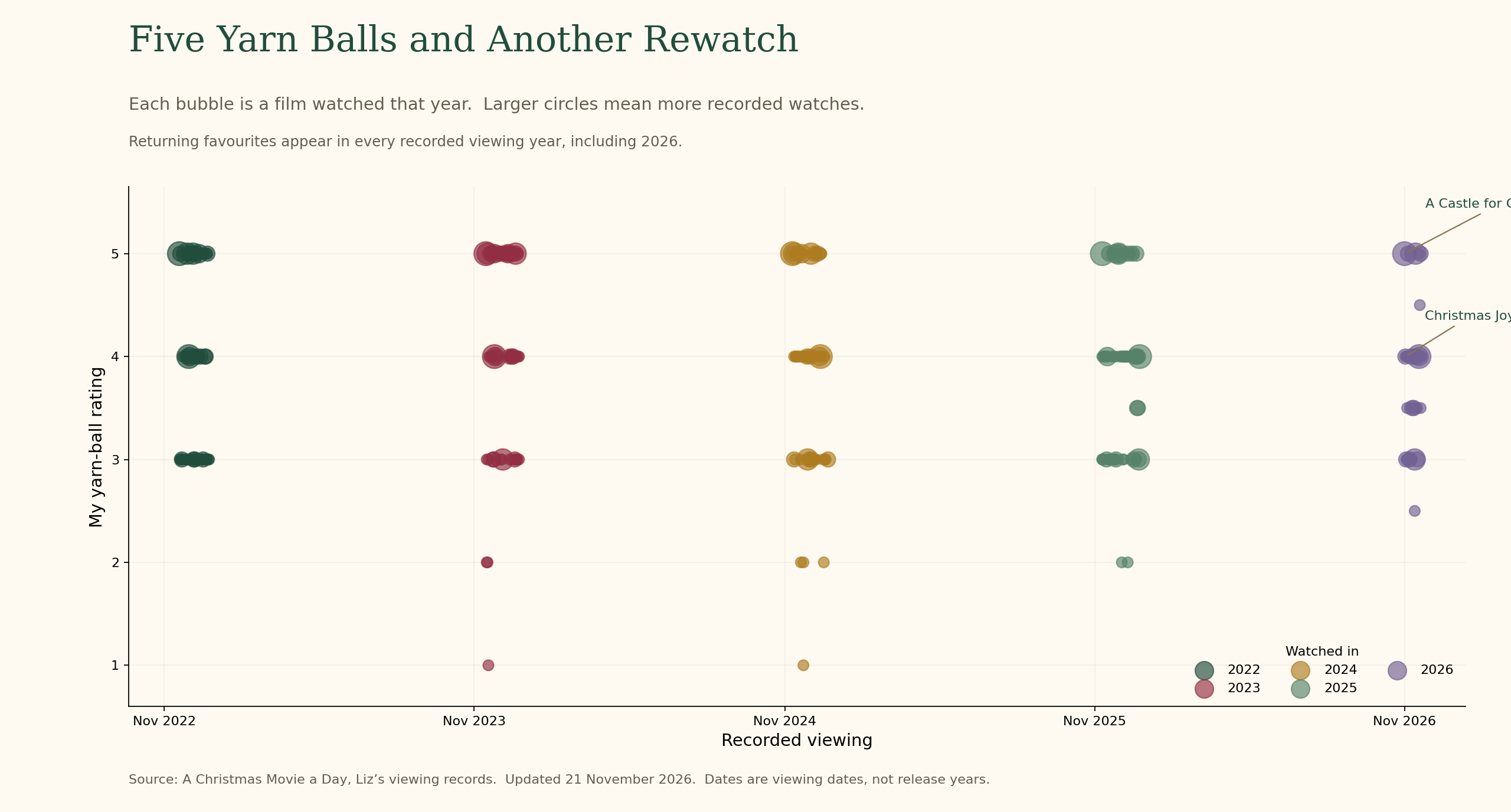
My spreadsheet helps me remember titles, viewing dates, ratings and the brief comments that explain what I thought at the time.
You can browse the catalogue through the link accompanying this episode. I’ve also linked It’s that time of year again, an earlier account of the tradition and my yarn-ball approach.
Older platform entries reflect those viewing occasions, so check current availability before planning around them.
If you fancy keeping your own record, a title and one short comment can be enough. “Excellent company for finishing a sleeve” may tell you more about your evening than a carefully calibrated score.
Make yourself comfortable
There are two main settings for my Christmas viewing.
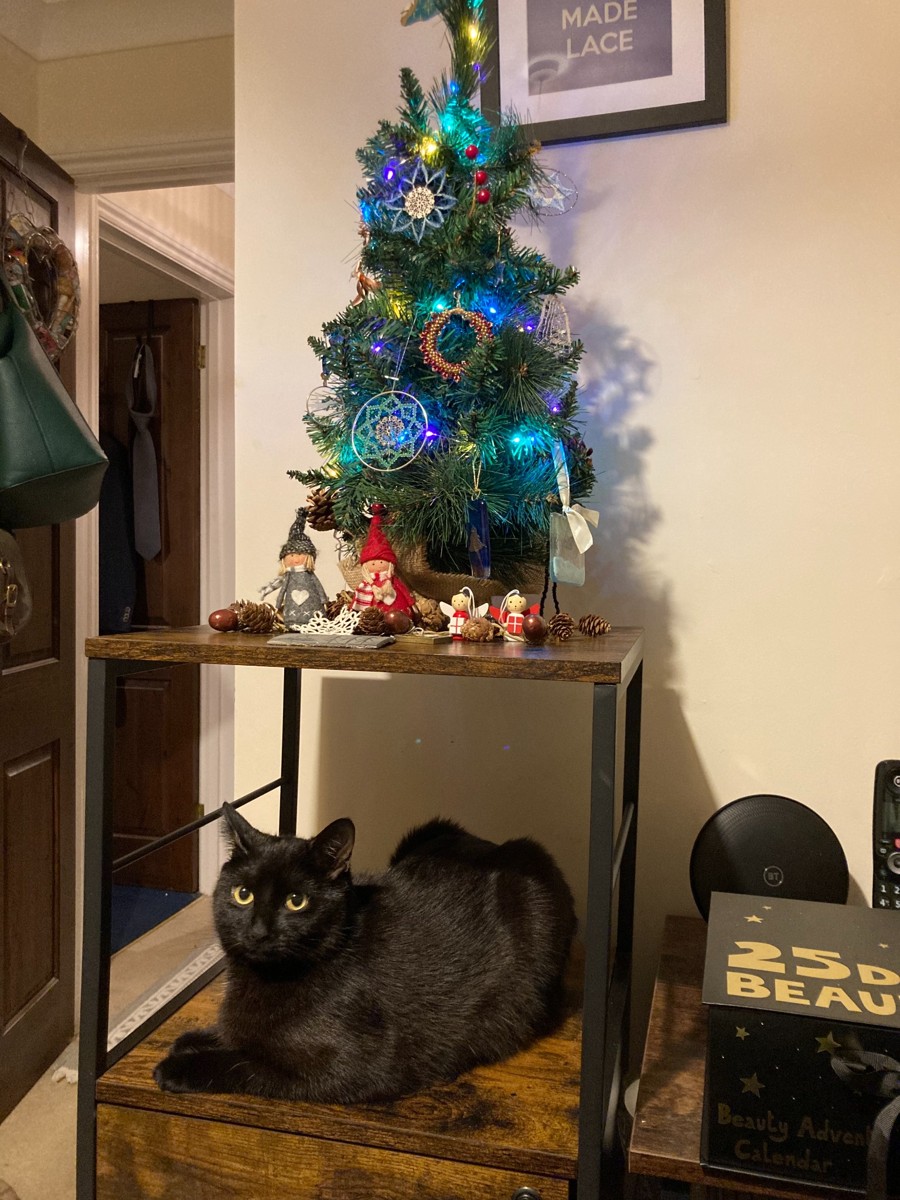
During the day I may have a familiar film playing in my home office. Background sound helps me avoid getting distracted by noises outside, and something I know well can give me an occasional laugh while I work.
The cats are around, the Tassimo is on hand and there may be a frothy coffee or hot chocolate involved.
A film of roughly ninety minutes can also give me a sense of time passing through a task of similar length. With a familiar romance, I recognise the setup, the complications and the movement towards a resolution. They become loose markers through that stretch of work.
I’m not dividing every film into three exact half-hours. It’s simply a rhythm I notice, with the ending giving me a satisfying sense of completion when the task comes together too.
Other days I watch during my lunch break, or save the film for an evening downstairs.
Then I’m on the left-hand seat of our large two-seater sofa, knitting or crocheting something for myself, Stuart or my siblings.
In theory, there’s room for both humans and the cats.
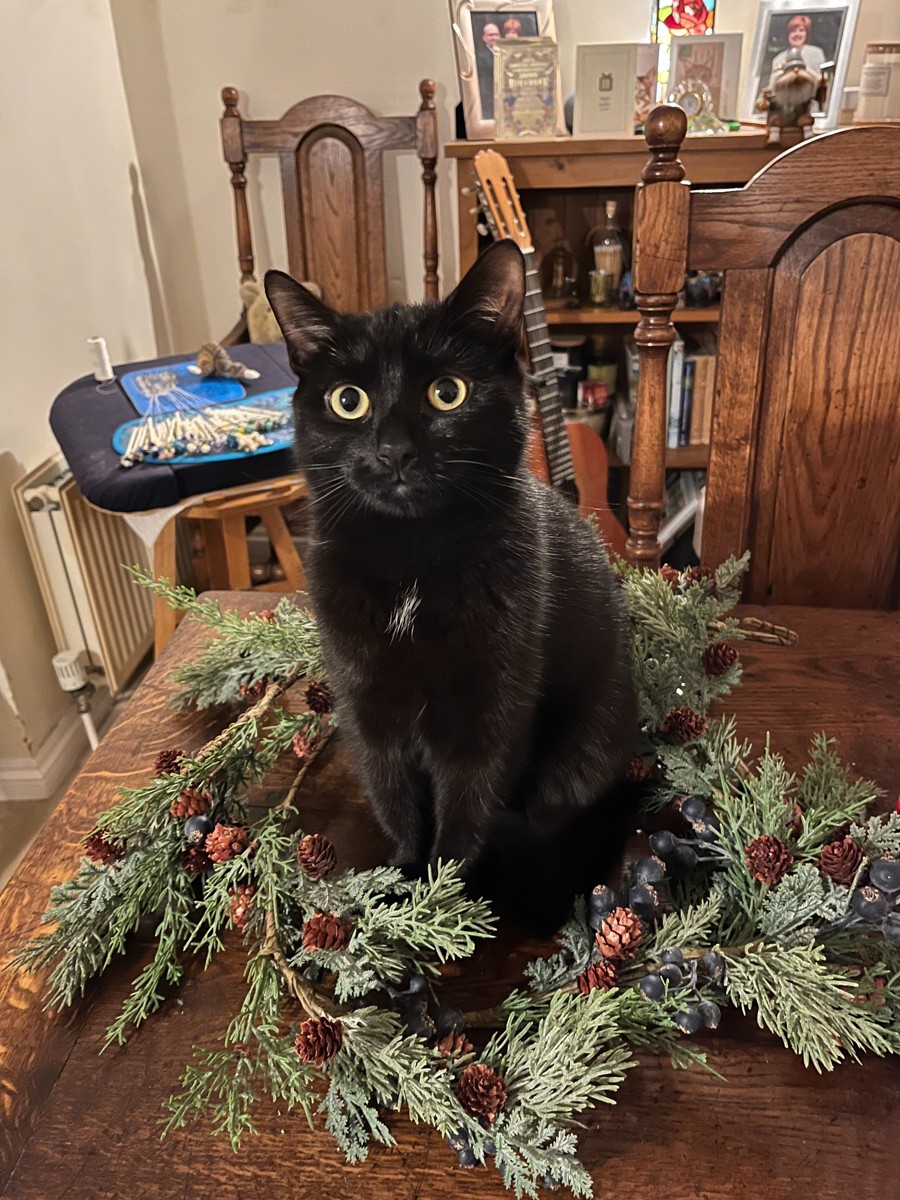
Munchkin has her own interpretation of the seating plan. She rather likes Stuart to head upstairs later, leaving her to curl up beside me for the last film of the evening.
Flo may then push her aside and try to get underneath the cover, making a little dark cave in which to sleep.
Nobody consulted me about the allocation of space.
As for the drink, this will be my second Christmas with less sugar, but hot chocolate is still part of the picture. Sometimes I choose a lower-sugar option, such as Options. With the Tassimo, I now combine a milk drink with one hot chocolate rather than using two hot chocolates in the mug.
I find that creamier, which suits me nicely.
And Draig, during Christmas week there may be a little Baileys in it as a treat.
Ginger will have plenty of opportunities to talk food with us later in the series. Tonight, whatever is already in the biscuit tin will do.
A few little thank-yous are taking shape behind the scenes too. Their contents remain mysterious for now.
For this opening evening, I’m looking forward to a familiar film, something on the needles and whatever portion of the sofa the cats permit.
Shall we begin?
So, here we are: 1 November, the start of our 2026 Christmas movie season.
A Castle for Christmas opens the season, with five yarn balls already beside its name and the promise of another enjoyable evening.
I’d love to know which film signals the beginning of Christmas for you. Is it something you return to every year, or do you prefer making a discovery?
Tell me what makes it yours.
You can follow the articles at The Christmas Lace Notes and find the audio through my podcast page. The reading links and film catalogue are in the notes, so you don’t need to put down your knitting to search.
Thank you for joining me. Here’s to familiar favourites, unexpected discoveries, and stories we can enjoy together.
Now, put the kettle on.
We’ve got a castle to visit.