The rose gold tinge of their shell is so linked to December, in my mind. Even with my birthday being in October, and many of the Christmas gifts being in the shops in September I didn't mind. There was more chance I'd get an exciting birthday present because of it. In those heady days of the 70s, as a child, Halloweven wasn't really an event in South London. So, it would be Christmas presents on sale September / October, then fireworks late October to 5th November and suddenly all the shops had Christmas decorations. If you had an artificial tree (normally silver tinsel!) you could put it up in early December, but for those of us who had a real tree, then it would be week before Christmas.
For those, who, like my father gate keep when Christmas can start (normally after their birthdays), it smacks of those Bridezillas who won’t let others do anything during their wedding year. We each need to choose when our own Christmases start for us.
0 Comments
Yesterday I looked at what Advent means, building on my blog from last year about what makes Advent Calendars so special. Today, I want to explore some Advent Traditions.
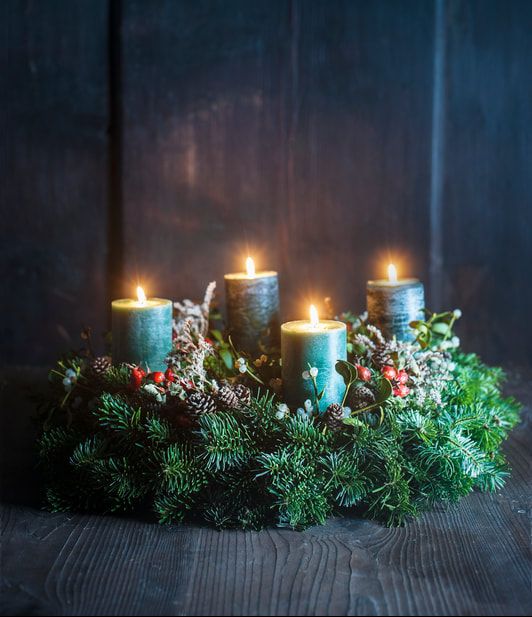
The Advent Crown was a take on the Advent wreath. As with many traditions that we are familiar with, here in the UK, they became popular through Prince Albert's influence. But with our tradition of Yule, it didn't take too much to pursuade us to bring evergreen greenary into the house. Sweden and Julklapp
The Rules of the Game Today (taken from the elfster blog) While there are many various, the most standard version is relatively simple.
Carol Services
The College's website says that it was introduced to 'bring a more imaginative approach to worship', but I can't help thinking that just 6 weeks after then end of World War I this must have been a very moving way to start Christmas. Each year, the service is broadcast on BBC Radio 4 as well as the World Service and now appears on iPlayer shortly after the service has concluded.
Christmas Devotions
Whether or not you are a Christian, there is a sense of light in the darkness, starting with Diwali, which falls at the end of October / start of November, then Hanuakkah, during December, the Winter Solstice, on 21st December, and finally Christmas, there is a sense of hope, of light in the darkness and salvation. Whether it's good over evil (Diwali), deliverance from peril (Hanuakkah), the days getting longer (Solstice) or the promise of salvation (Christmas). Many Christains will undertake weekly advent bible studies in the run up to Christmas. One of the most memorable ones I've attended was based on the lines of a well know Christmas Carol.
Others will read a commentary or special daily devotion that allows them to reflect on this period of anticipation. Whether you are a member of a church, occasionally attendee or someone who keeps their faith in their heart, it offers an opportunity to remind yourself of why you believe and, whatever your faith, that we all strive to be the best we can in this world. Advent marks the weeks before Christmas and is a time of anticipation, preparation and reflection leading up to Christmas Day. Advent starts with the aptly named Advent Sunday. This is the 4th Sunday before Christmas Day and usually falls between 27th November and 3rd December. This year, 2023, it is 3rd December.
So, in 1839 he took a cartwheel and added candles to it. Each week day a small candle was lit and on Sundays a larger candle. Counting down the days to Christmas. By the 1920s the custom had been adopted by other Christian denominations in Germany and soon spread, in the 1930s to North America. Behind the wreath, there is symbology and meaning.
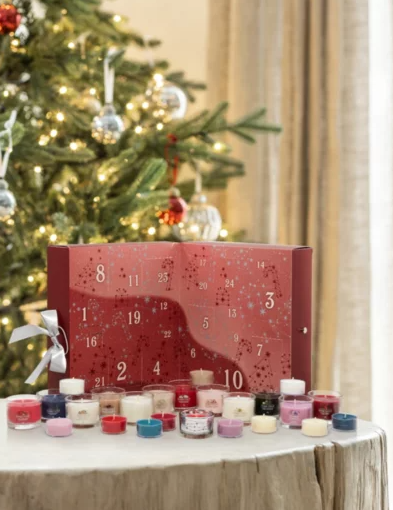
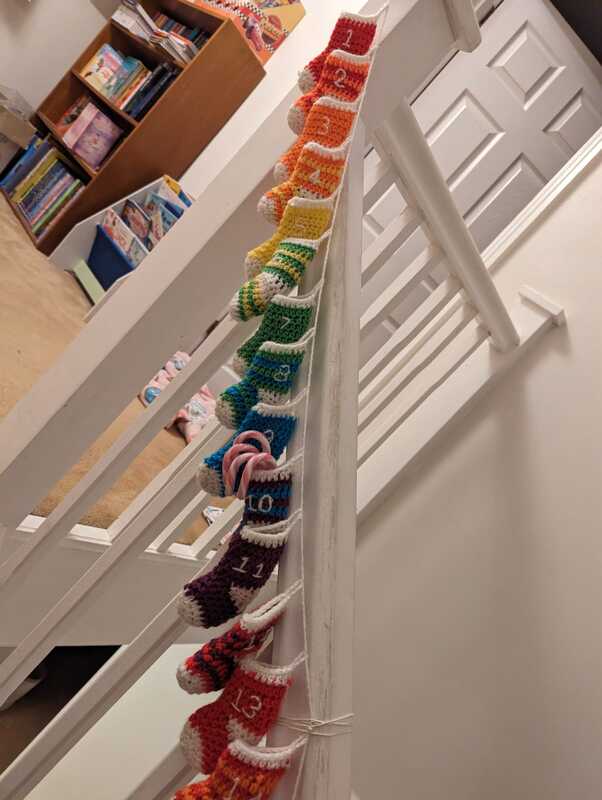
The advent wreath concept, of counting down to Christmas, has also spawned other Advent practices that we are familiar with. Where a full wreath isn't possible, then a single candle marked with the days is often chosen.
|